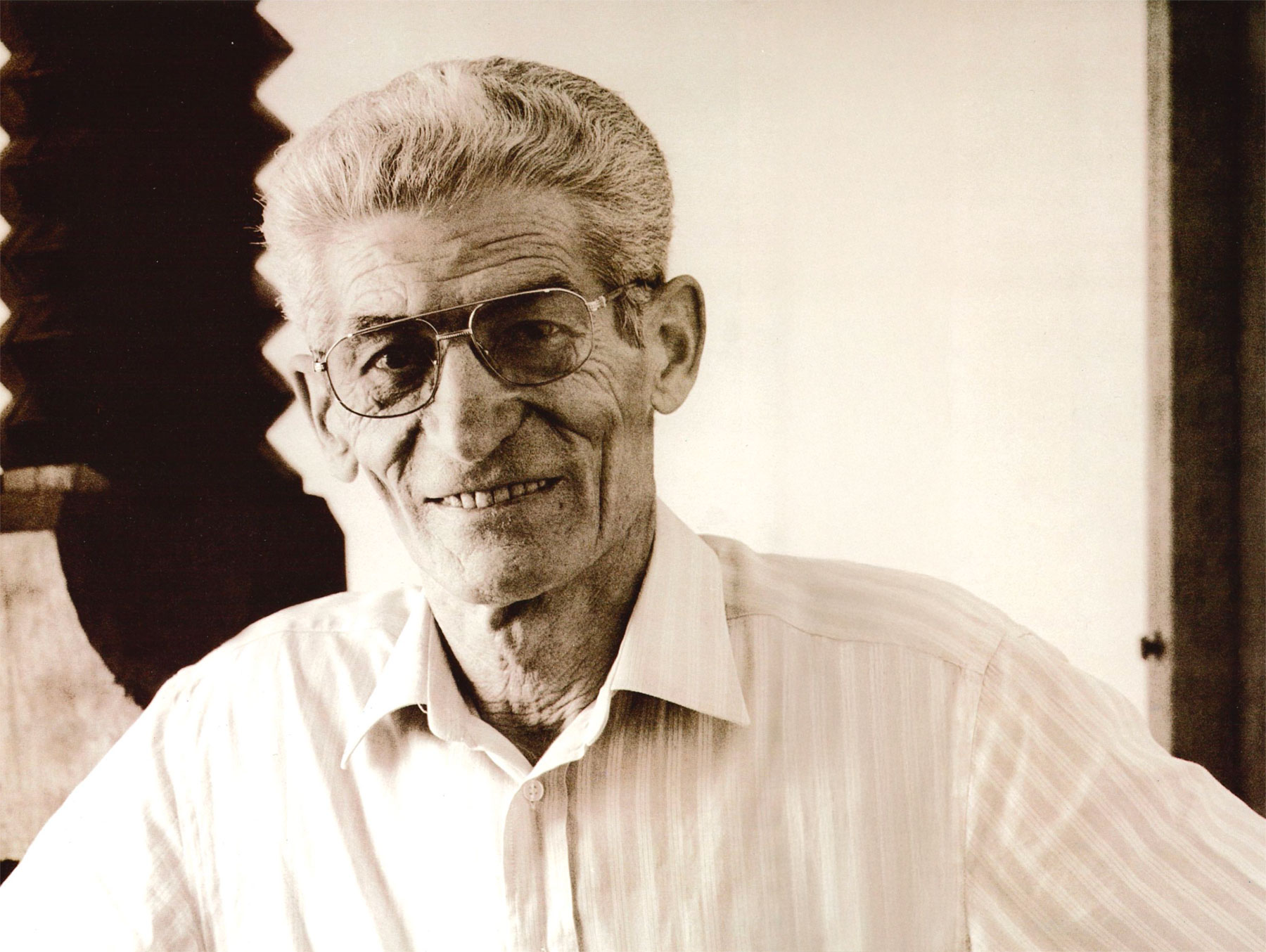
“They call me an oenologist, they refer to me as a wine expert, they describe me as a pioneer. But there’s only one truth: when nature speaks, I listen. My land has a great deal to say — and I have a great desire to listen.”
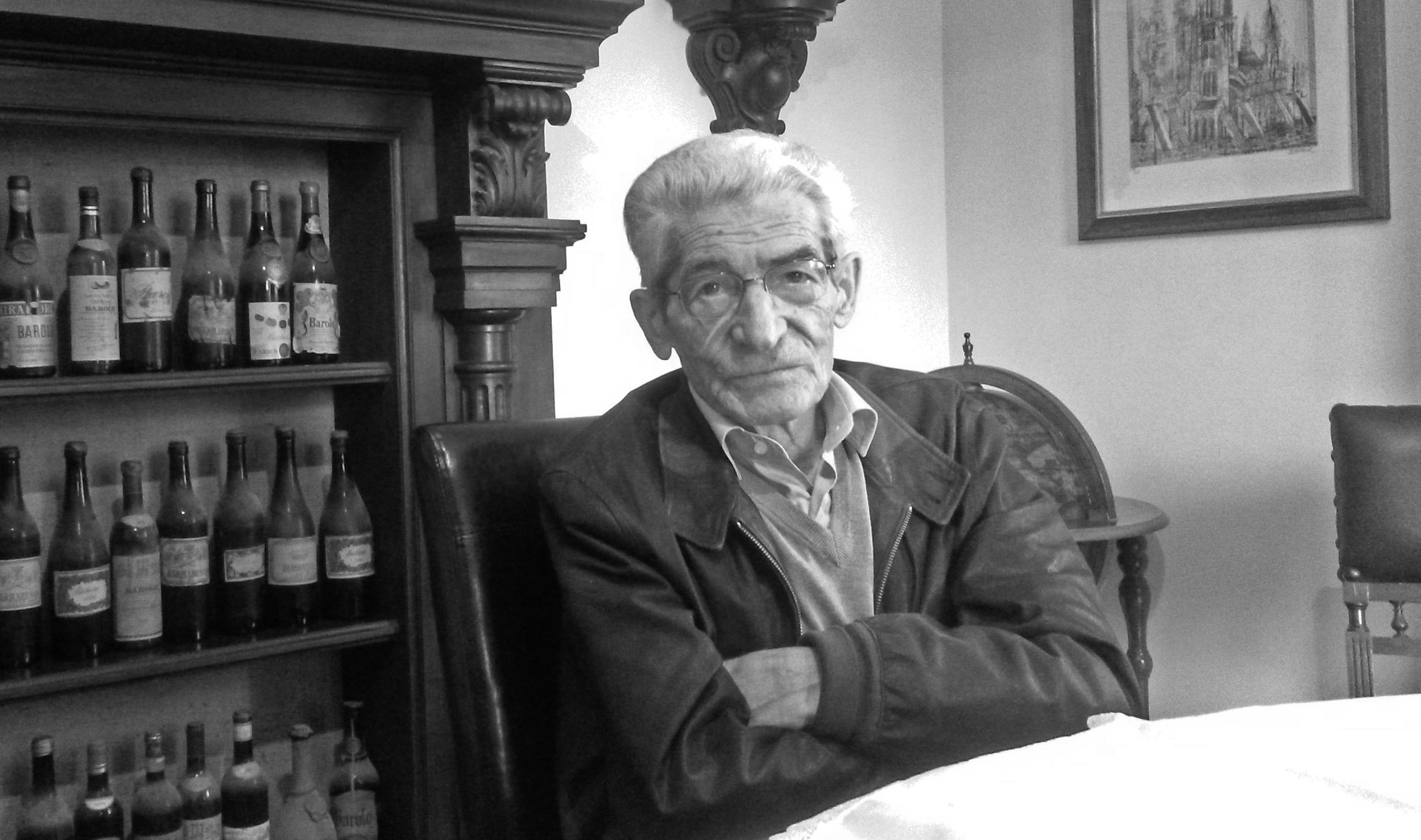
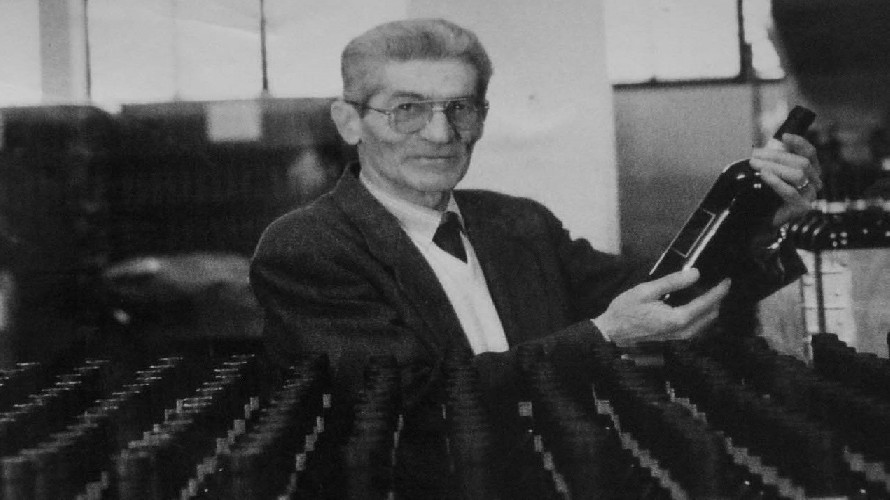
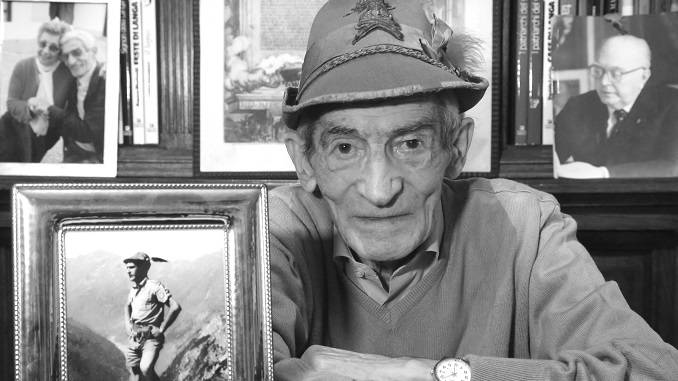
Gigi Rosso graduated from the Alba School of Oenology in 1952. At the time, very few chose that path. After serving as a non-commissioned officer in the Alpini, Italy’s historic mountain infantry corps, he began working for some of Piedmont’s leading wine companies: Cinzano, then Fontanafredda; then Barbero in Canale, where he was head of production; and finally Bersano Vigneti, where he served as technical director, overseeing ten estates across the Langhe, Roero, and Monferrato.
Those were formative years — in large-scale production, in the laboratory, in vermouth, in the cellar. Years of waiting, too. The pull of the land never left him.
When he met Arturo Bersano, things began to shift. He was given the opportunity to identify the most suitable sites, acquire land, plant vineyards, and bring them into production. “I’ve had my fill of laboratory oenology. Now I can return to the land I love.”
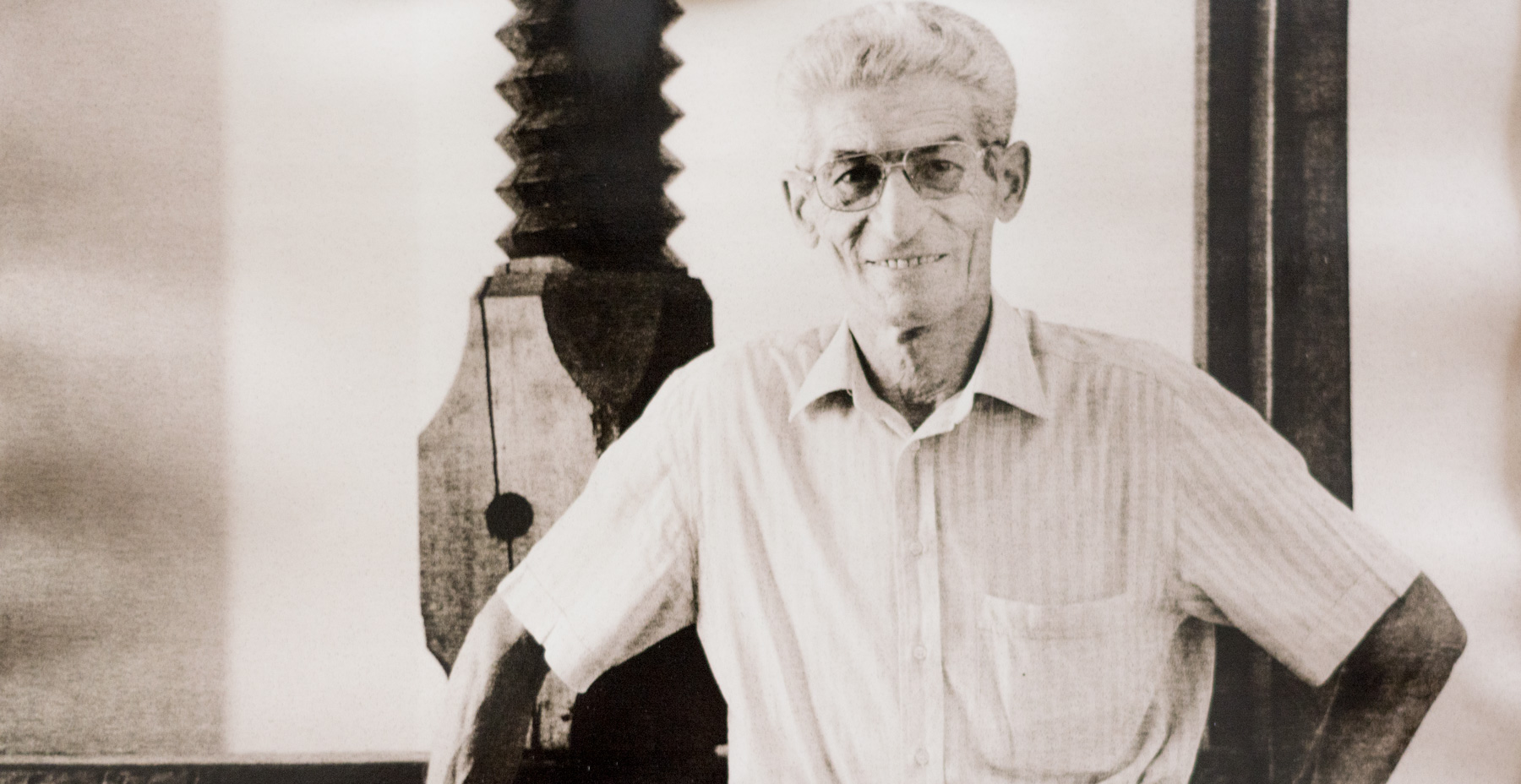
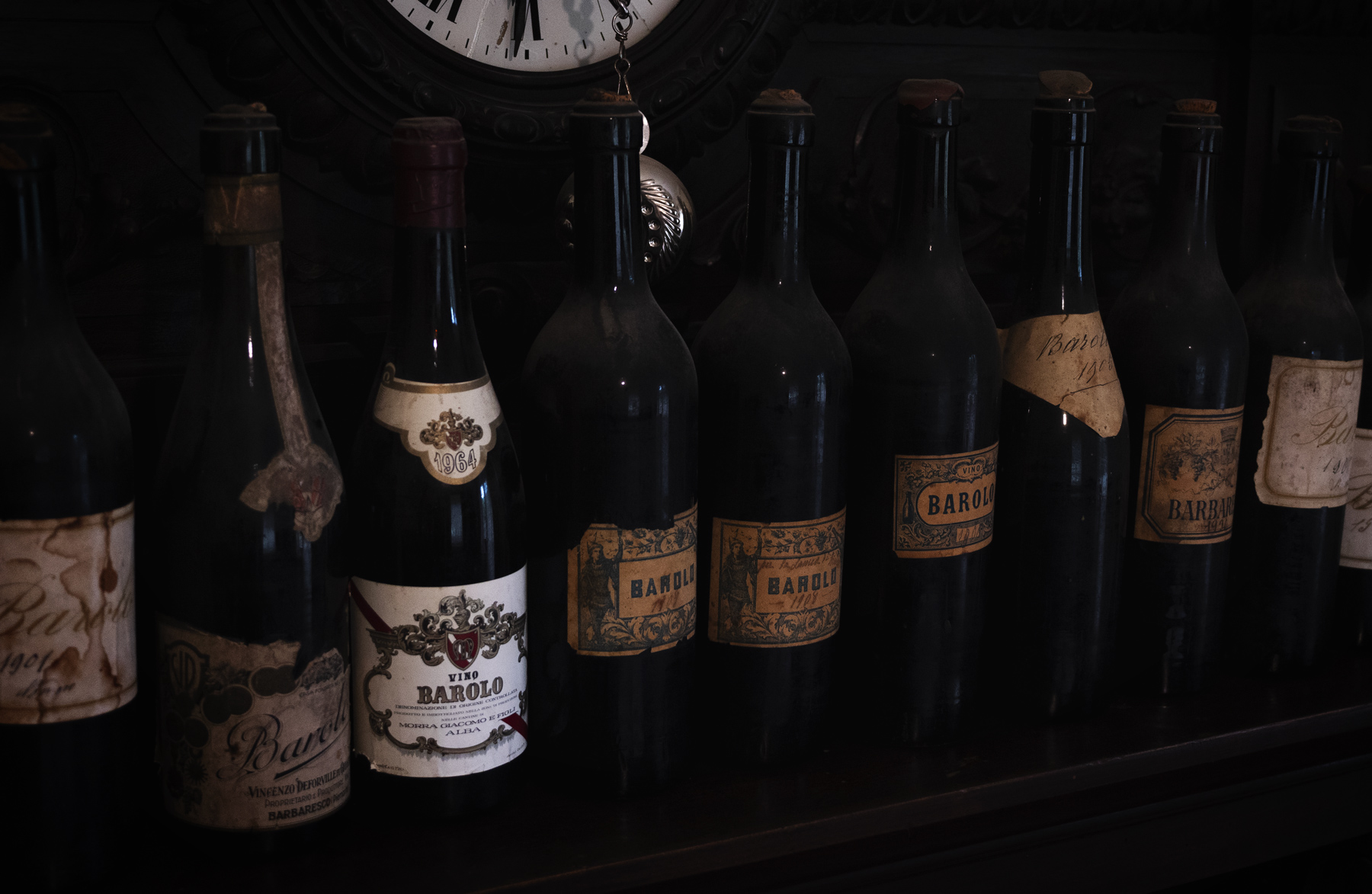
In 1971, he founded his own winery, bearing his name. The first bottles of Barolo were released in 1974. In those early years, it was Dolcetto — from Alba as well as Diano d’Alba — that brought him wider recognition: an everyday wine, immediate and approachable. Barolo, at the time, still felt distant, a wine for a more limited audience. Gigi saw things differently: he believed in a wine of substance that could also be accessible, recognisable, and unmistakably tied to its maker.
These were the years when the Langhe were beginning to change. Around him were figures like Renato Ratti — who created the first modern map of Barolo crus, still a key reference today — and Bruno Giacosa, who shared the same belief: that the Langhe had something extraordinary to offer the world. Gigi was part of that founding generation that helped turn these hills from a marginal agricultural area into one of the most recognised wine regions in the world.
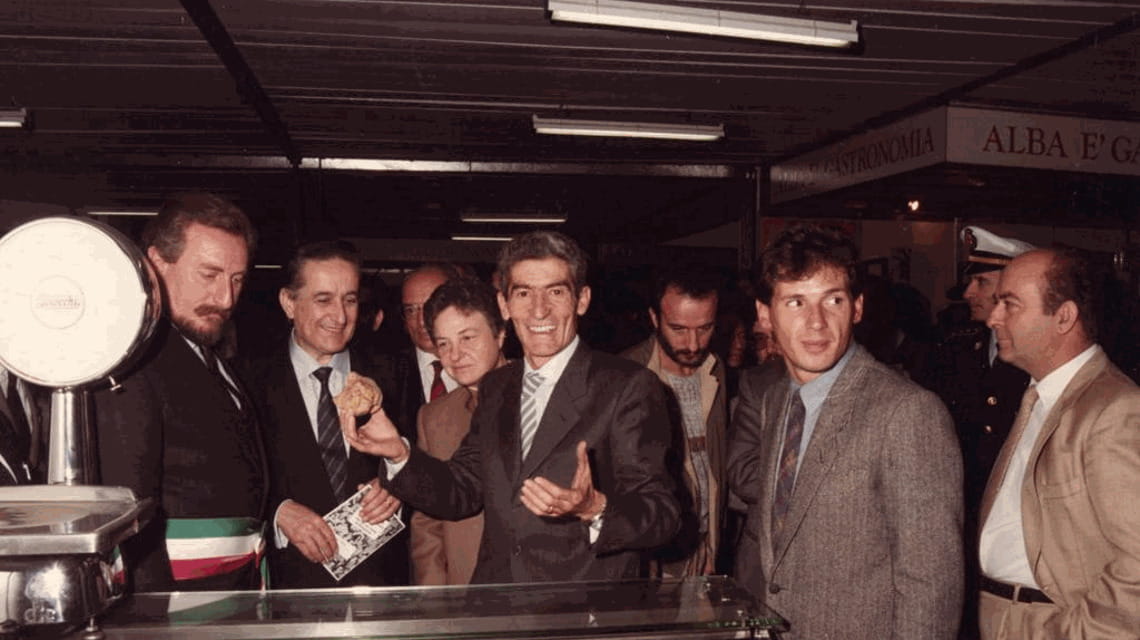
Gigi was a natural storyteller. He spoke about the Langhe as he knew them — the people, the vineyards, the stories of a landscape in transition — and was widely appreciated for his ease in front of an audience.
He played an active role in promoting Dolcetto di Diano d’Alba, contributing to the path that led to its DOCG status and to the historic division of the area into 77 sorì. He never put things in writing. That role was taken on by his son Maurizio, through books — most notably “Barolo: Personaggi e Mito”, published in 2000.
His commitment was cultural, but also institutional: in the 1980s, he served for three years as president of the Consorzio di Tutela Barolo Barbaresco Alba Langhe e Dogliani, for five years as president of the Alba White Truffle Fair, and was a member of the wine commission of the Cuneo Chamber of Commerce, as well as vice president of what would become Vignaioli Piemontesi.
It was a time of profound change. The methanol scandal of 1986 marked a turning point, drawing a clear line between an opaque vision of wine and one based on transparency — where producers stood behind their work personally. Gigi was among them: he took responsibility for his work, putting his voice and his signature to it — the same signature that, from 1989, became the winery’s logo.
His voice remains etched in the collective memory of the Langhe.