
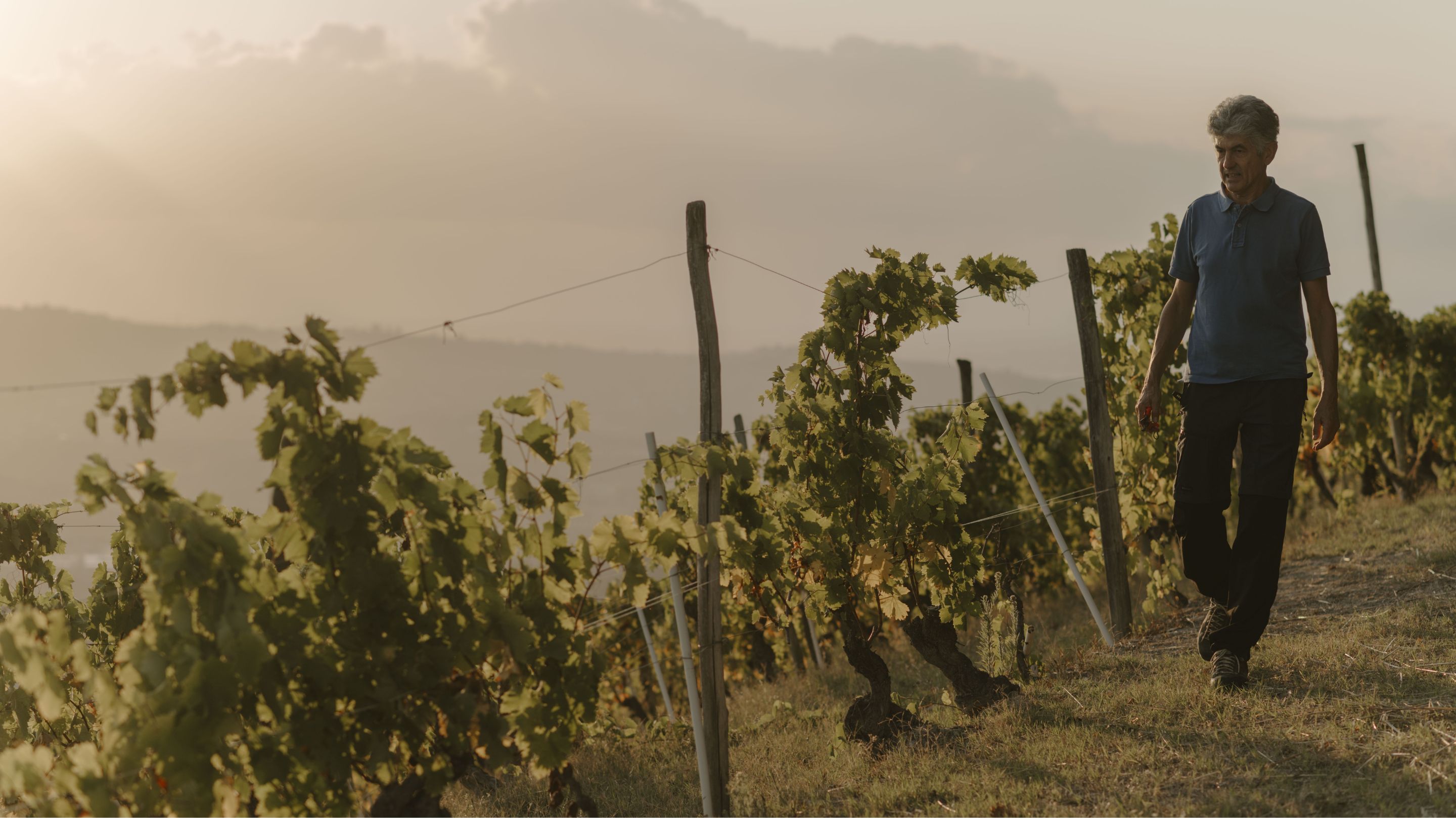
The vineyards of the Langhe and Roero have been a UNESCO World Heritage Site since 2014. It is a varied, hilly landscape, shaped over time by the Tanaro River and by generations of farmers who have turned these hills into a vast garden of vineyards.
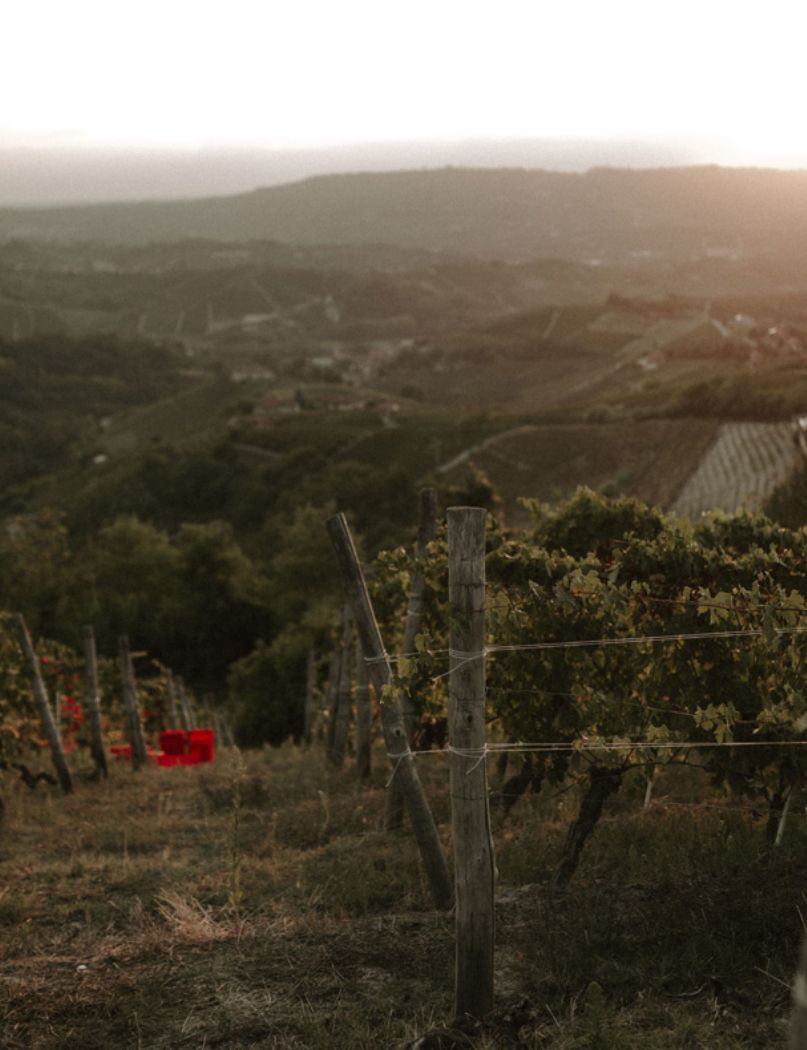
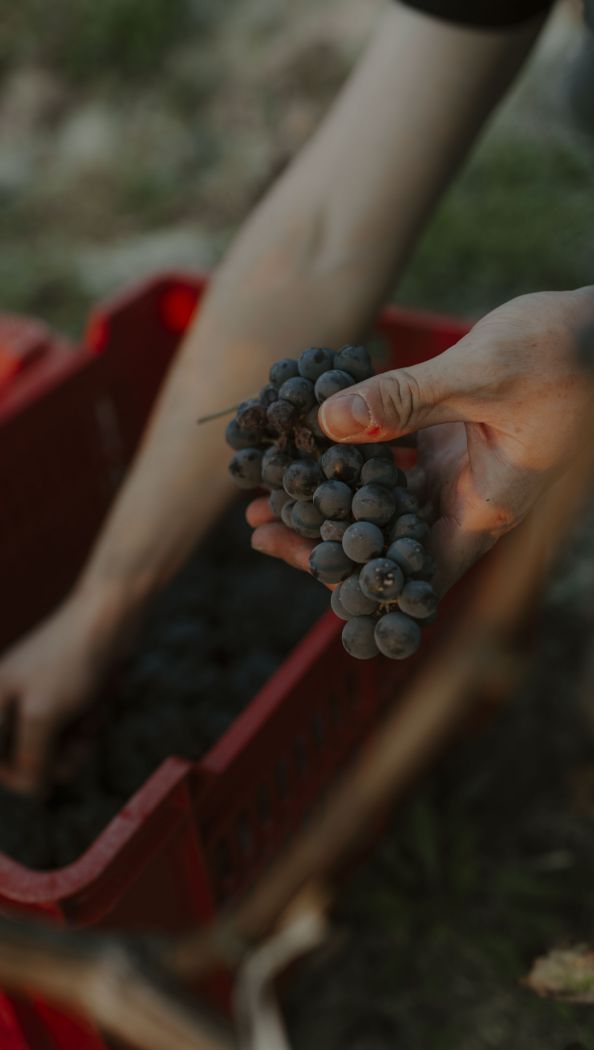
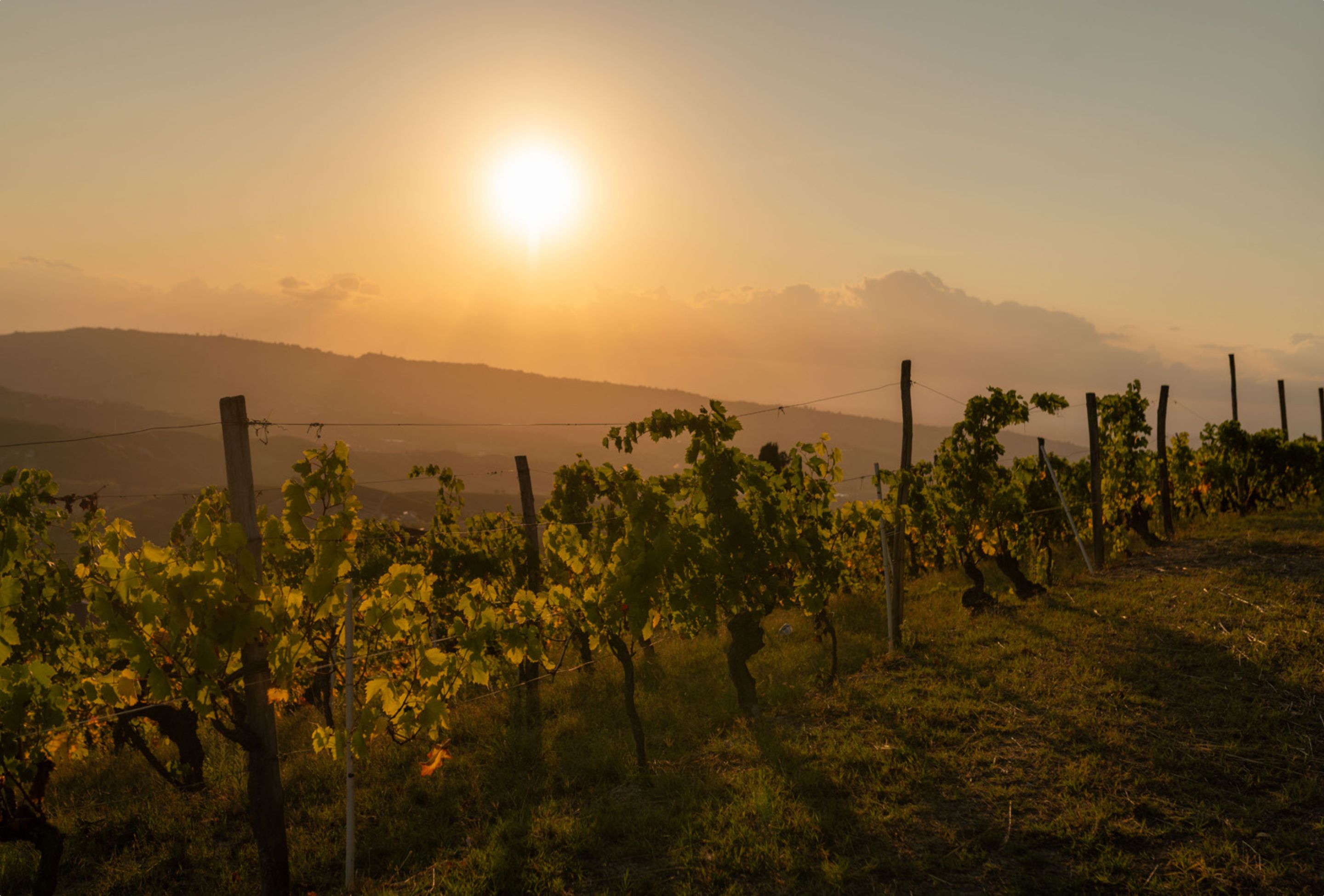
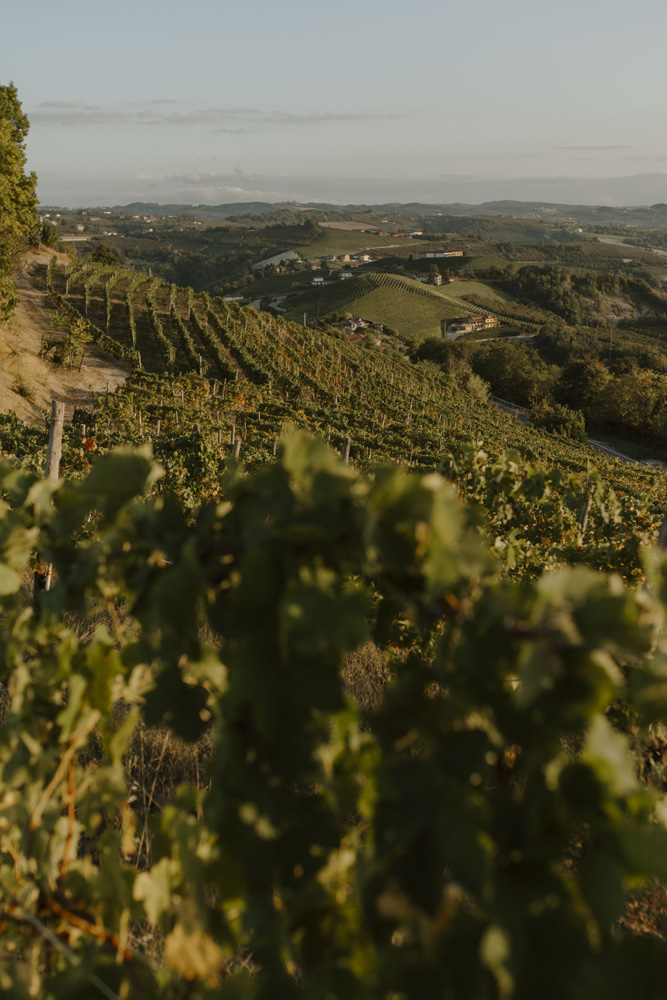
In local dialect, langa means the crest of a hill. That is exactly what this landscape is: a sequence of ridgelines, with soils that change from one slope to the next and elevations ranging from 400 to 800 metres. Those differences are clearly reflected in the wines, which can change markedly within just a few kilometres.
In the Langhe, tradition is a way of working. It’s about how you farm, how you work in the cellar, and how you respect what the land can already do on its own.
Working traditionally means staying within that system: recognising what each place does best, respecting timing, and not forcing the process — in the vineyard as in the cellar.
Loving wine
means loving
the vineyard
In the vineyard, Gigi always placed great importance on site selection and manual work, following the traditional practices he learned from his grandparents.
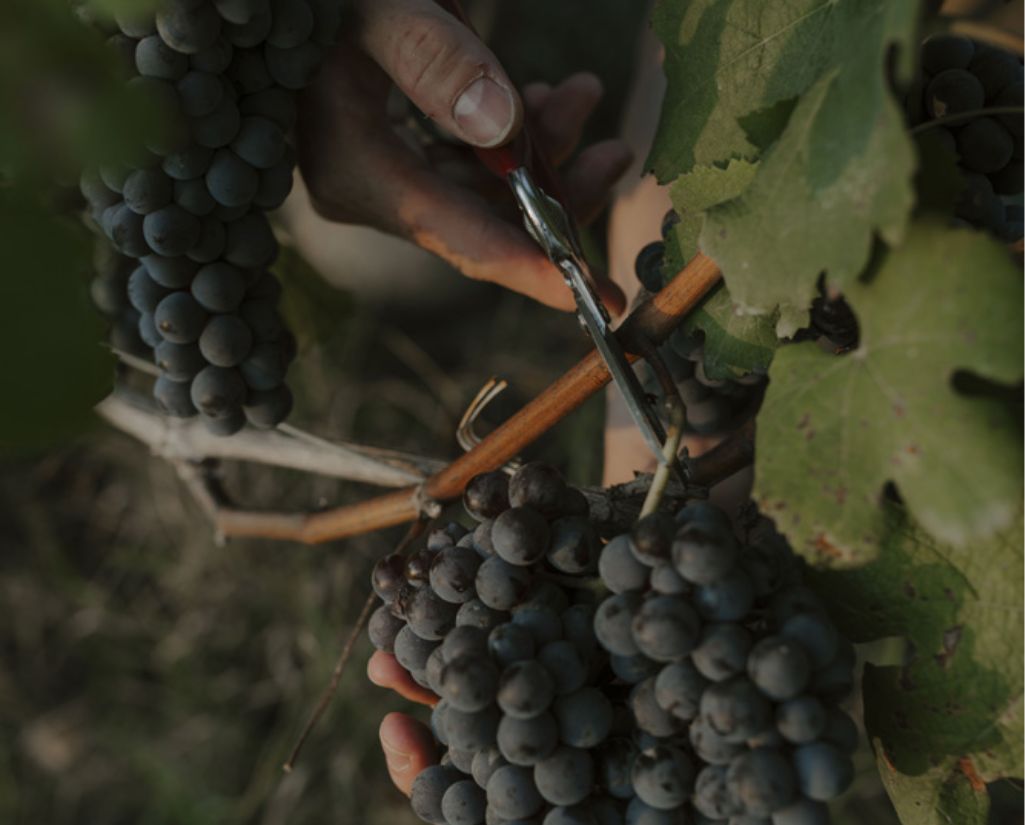
Harvesting in small baskets, most of the work done by hand, with a light green harvest in summer. The vineyards sit on higher slopes, where yields are naturally low. Short pruning and summer thinning keep them even lower, allowing the vines to focus their energy.
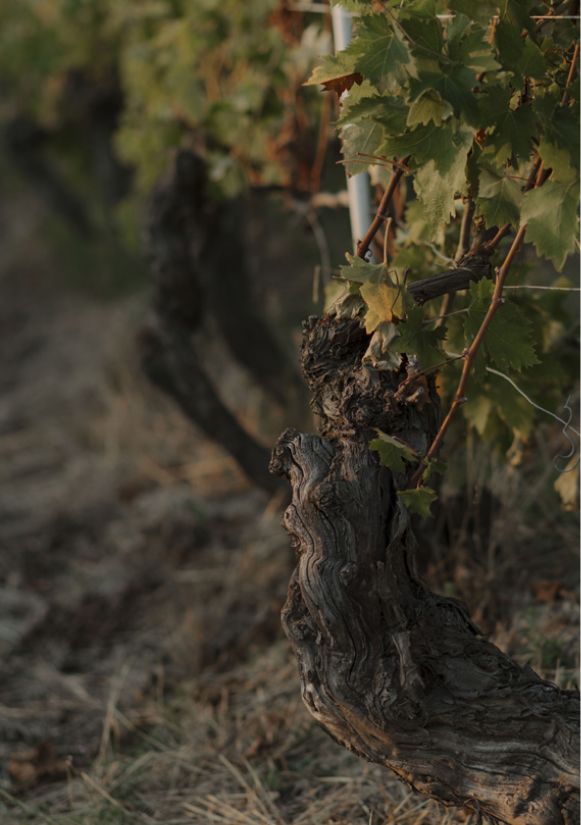
12 hectares across some of the Langhe’s most iconic appellations
Serralunga d'Alba
One of the historic communes of Barolo, known for its compact soils and structured, long-lived wines. A significant share of the fruit for Barolo Trecomuni comes from here, along with grapes for Barbera d’Alba and Dolcetto d’Alba.
Monforte d'Alba — Bricco San Pietro
Bricco San Pietro is the second-largest subzone in the Barolo area after Bussia. In 2015, Maurizio acquired a small parcel in the Viglioni area, at 370 metres above sea level. With its southern exposure and favourable altitude, the site is well suited to Nebbiolo with depth and character. This is where our single-vineyard Barolo Bricco San Pietro is produced.
Roddino — Bricco del Cavallo
On the steep slopes of Roddino, between 450 and 500 metres, we produce our flagship Barbera d’Alba. Calcareous soils and a favourable microclimate give the wine structure and ageing potential. The name comes from a real story: in the 1960s, Gigi bought a very steep plot of land. The farmer working it had only a small walk-behind tractor and refused to take it up the slope. So Gigi bought a draught horse and brought it to him. “It can be done with a horse,” he said. The site has been known as Bric del Caval ever since.
Diano d'Alba — Sorì del Moncolombetto
In Diano d’Alba, Dolcetto finds ideal conditions. An early-ripening and delicate variety, it thrives in sunny exposures and strong day–night temperature shifts, which are typical of the highest and most exposed hills known as sorì. Moncolombetto is one of these: a vineyard over 70 years old, set at 500 metres on a hilltop, surrounded by vines on three sides and considered among the finest in the denomination. The distinct identity of Dolcetto di Diano d’Alba is recognised by its DOCG status, achieved in part thanks to Gigi’s work in promoting the area and contributing to its historic division into 77 sorì. On the same high-altitude site, we also grow Chardonnay for Langhe Blagheur.
Castelnuovo Calcea (Nizza area)
Antica Cascina Carelli alla Montà. In 2016, Maurizio acquired a historic Barbera d’Asti vineyard in Castelnuovo Calcea — 2.5 hectares in the Nizza area. The site sits on a rounded hilltop, with dry calcareous soils traditionally suited to producing Barbera d’Asti with structure and longevity. The vineyard was immediately uprooted and replanted with 12,000 Barbera vines (Kober clone), selected for low yields and high quality. The first partial harvest took place in 2019. After 18 months of ageing in traditional Slavonian oak casks, the wine is bottled as Barbera d’Asti Superiore.